Skip to content

Selected work / 2013—2025

Research software as cultural practice.

19 projectsAmsterdam · global
  1. 01Data StorytellingAI · Research Communication · 2025
  2. 02NLeSC PortfolioResearch Platform · 2025
  3. 03PlanEOGeospatial · 2025
  4. 04COLLaiTETextual Scholarship · 2025
  5. 05SmartPlayWearable Research · 2024
  6. 06FAIVORHealthcare AI · 2024
  7. 07Ruisdael ObservatoryClimate Science · 2023
  8. 08Carbon Budget ExplorerClimate Policy · Design · 2023
  9. 09NotidianProductivity · 2023
  10. 10IdeasDiamondCreativity Tool · 2023
  11. 11Via AppiaDigital Humanities · 2022
  12. 12FedMix Clinical ViewerMedical Imaging · 2021
  13. 13NL-RSE WebsiteCommunity Platform · 2021
  14. 14ReceiptClimate Visualization · 2020
  15. 15MisterGreenBranding · Platform · 2019
  16. 16FocusDiamondProductivity · 2018
  17. 17Pioneering PWAs with ARXR · Progressive Web · 2017
  18. 18Illustrated PortfolioDesign · Portfolio · 2014
  19. 19LeapLearnGesture Recognition · 2013

AI · Research Communication / 2025

01 / Project

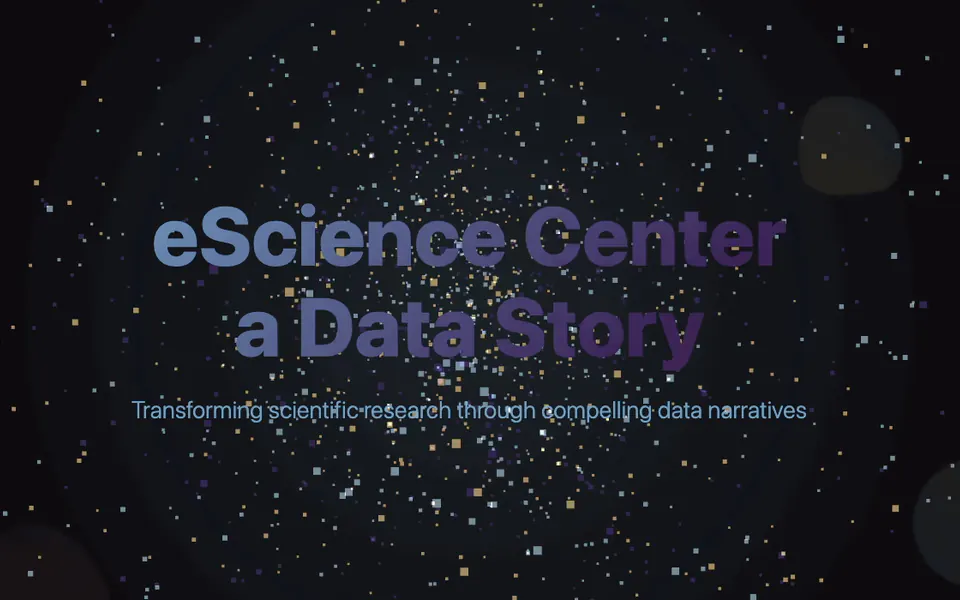
Data Storytelling

Stories That Write Themselves

Research software often struggles to find its audience. The code works, the science is solid, but communicating its value to different stakeholders remains a challenge.

This platform tackles that directly — combining 3D visualization with AI-powered story generation. It transforms research software metadata from the Research Software Directory into tailored narratives for communications teams, academics, leadership, and quick overviews.

Built with SvelteKit, Threlte (Three.js for Svelte), and Google Gemini API with real-time streaming.

Client
Netherlands eScience Center
Institution
Netherlands eScience Center
Methods
AI · Three.js · SvelteKit · Gemini · LLM
Next projectNLeSC Portfolio →

Research Platform / 2025

02 / Project

NLeSC Portfolio

A living portfolio for open research software

A public-facing research software portfolio for the Netherlands eScience Center: part showcase, part discovery surface, and part communications tool. The platform is designed to make project impact visible without forcing research teams into a heavy content-management workflow.

The work focuses on clear project cards, fast browsing, strong visual rhythm, and simple pathways from a project story to the software, people, and research context behind it. It turns an institutional archive into something closer to an editorial product: readable, filterable, and approachable for funders, collaborators, researchers, and the public.

Client
Netherlands eScience Center
Institution
Netherlands eScience Center
Methods
Next.js · React · WebGL · Portfolio
Next projectPlanEO →

Geospatial / 2025

03 / Project

PlanEO

Earth observation made practical

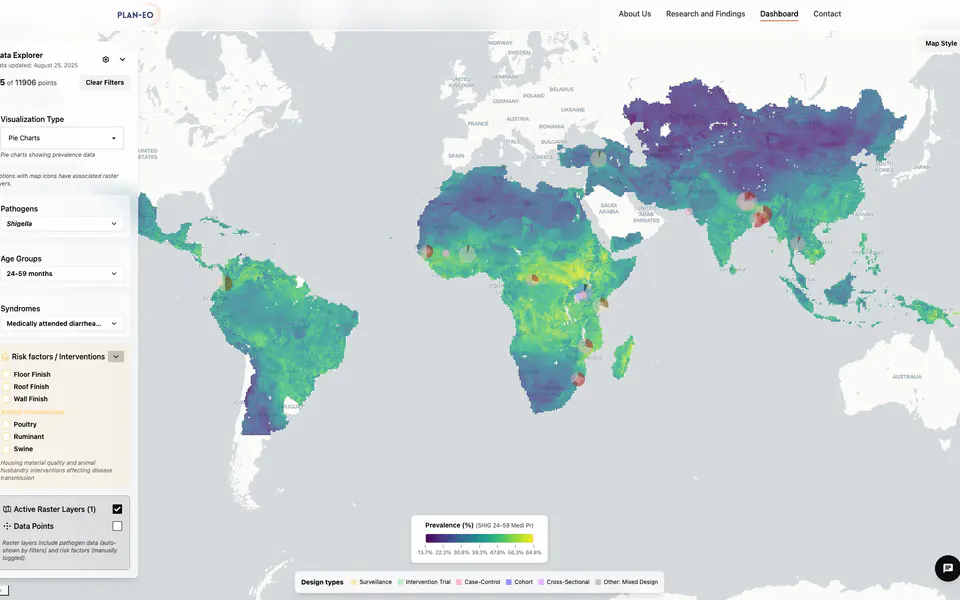
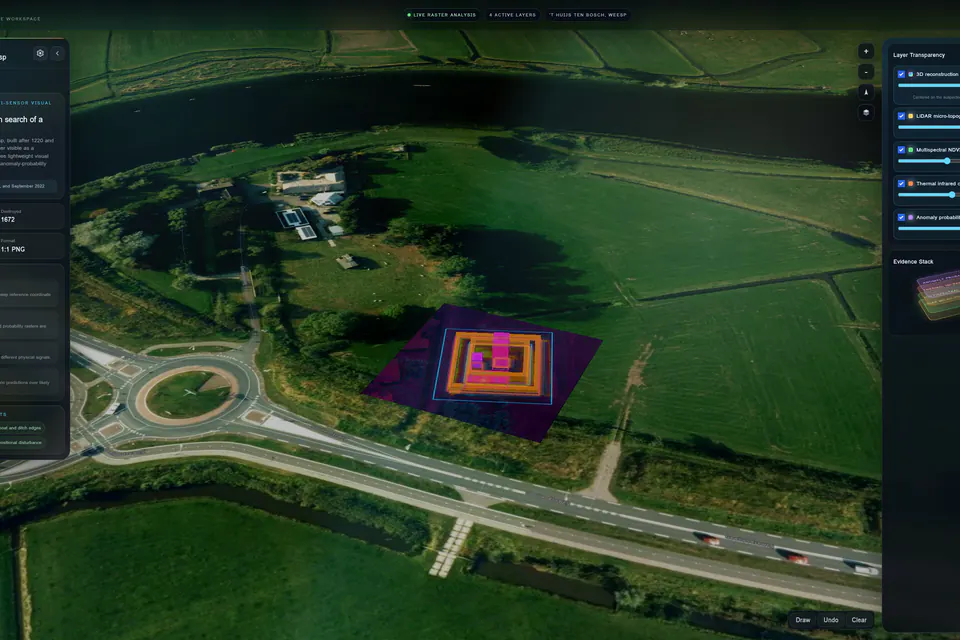
A practical geospatial visualization solution using Cloud Optimized GeoTIFF, MapLibre, and Svelte. The prototype explores how research teams can publish map-based Earth-observation data without inheriting the cost and maintenance burden of a custom geospatial backend.

The platform combines a static-first deployment model with an LLM-powered agent for natural-language exploration. The goal is a lighter, FAIR-friendly workflow: data remains accessible, maps stay performant in the browser, and researchers can ask questions in human language instead of only through GIS controls.

Client
Netherlands eScience Center
Institution
Netherlands eScience Center
Methods
GIS · MapLibre · Svelte · COGTIFF · AI Agent
Next projectCOLLaiTE →

Textual Scholarship / 2025

04 / Project

COLLaiTE

Machine learning meets manuscripts

Collens is a web-based tool for scholars comparing textual variants with annotations. It supports TEI/XML-encoded texts, side-by-side comparison, annotation-aware alignment, and an offline-first workflow for research sessions where the source material should remain close to the scholar.

The product challenge was to make machine-learning assistance feel like a practical scholarly instrument rather than a black box. The interface focuses on direct manipulation: drag documents in, compare variants, inspect alignment, and keep the critical reading workflow visible throughout.

Client
Huygens Institute (KNAW)
Institution
Netherlands eScience Center
Methods
ML · Digital Humanities · SvelteKit · NLP
Next projectSmartPlay →

Wearable Research / 2024

05 / Project

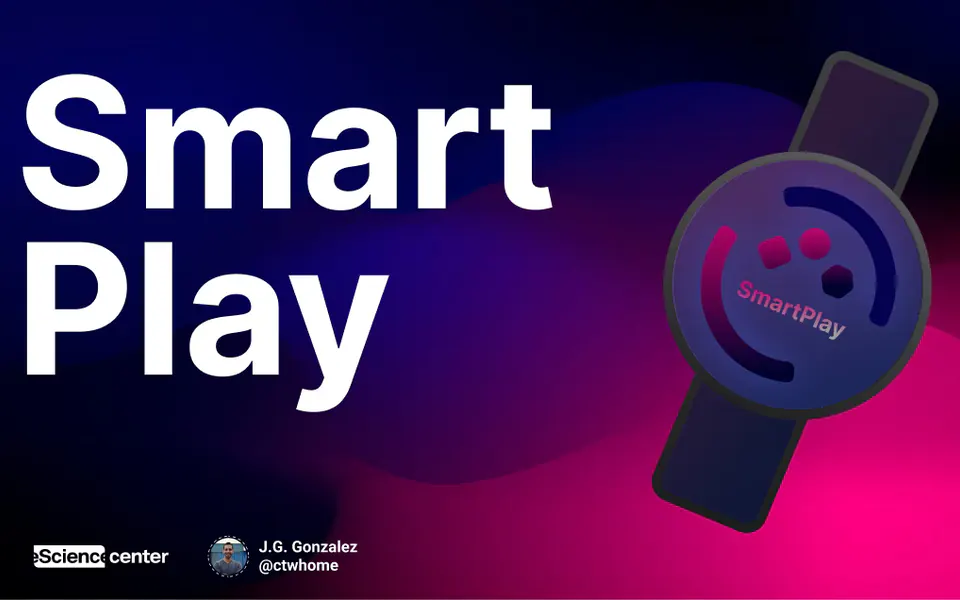
SmartPlay

Understanding play through wearables

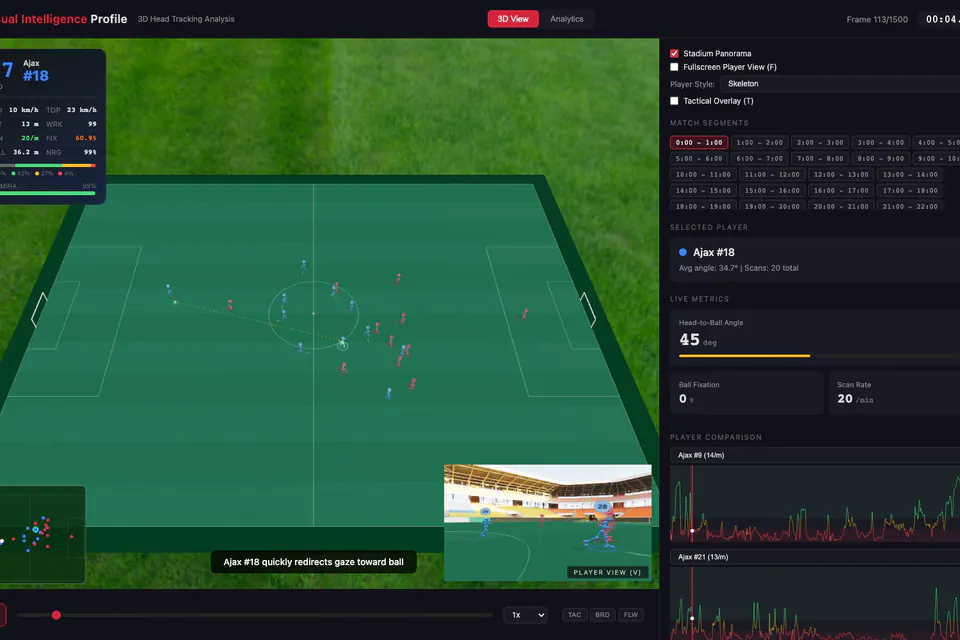
SmartPlay is a Wear OS research application for studying children's play behavior with real-time sensor data. The project bridges developmental psychology, human-media interaction, and research software engineering: GPS, motion, heart-rate, and environmental signals are captured alongside subjective input from children themselves.

The design challenge was balancing scientific richness with a child-friendly, glanceable watch interface and a privacy-conscious data workflow. The app stores data locally and supports offline extraction, giving researchers a richer picture of play while keeping participant safety and ethics at the center.

Client
Netherlands eScience Center
Institution
Netherlands eScience Center
Methods
WearOS · Android · Research · Child Development · Sensors
Next projectFAIVOR →

Healthcare AI / 2024

06 / Project

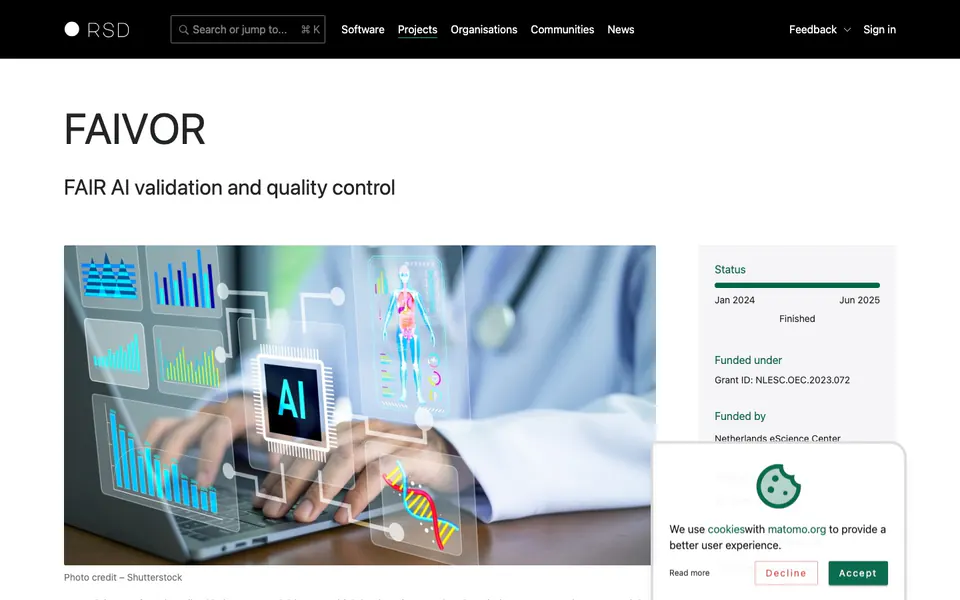
FAIVOR

Governed validation for healthcare AI

FAIVOR is a FAIR validation platform for medical machine-learning systems. It helps move healthcare AI from experimental notebooks toward documented, reproducible, and properly governed validation workflows.

The portfolio entry now treats FAIVOR as the trust layer around clinical AI: model outputs need provenance, validation protocols, explainability, and a clear path for reviewers. The work sits between research software, MLOps, and responsible healthcare deployment, where the interface has to communicate confidence without overselling automation.

Client
Netherlands eScience Center
Institution
Netherlands eScience Center
Methods
ML · FAIR · Healthcare · Validation · MLOps
Next projectRuisdael Observatory →

Climate Science / 2023

07 / Project

Ruisdael Observatory

Seeing the atmosphere in real time

A dynamic 3D volumetric rendering experiment for large atmospheric datasets. Created with the Ruisdael Observatory at TU Delft, the viewer explores measured cloud points and DALES simulation output directly in the browser.

The rendering pipeline converts compressed Zarr data into interactive 3D volumes with timeline playback, map context, and cloud-point inspection. It is research software as an instrument: a way for atmospheric scientists to move from static plots toward explorable time-lapses of the boundary layer.

Client
TU Delft · KNMI
Institution
Netherlands eScience Center
Methods
Three.js · WebGL · Zarr · Climate Science
Next projectCarbon Budget Explorer →

Climate Policy · Design / 2023

08 / Project

Carbon Budget Explorer

Clarity for climate policy

UI/UX redesign of the Carbon Budget Explorer for policymakers who need to reason about complex climate pathways without becoming climate-model specialists. The challenge was to simplify the product while preserving the scientific nuance behind carbon budgets, scenarios, and uncertainty.

The redesign introduced a new logotype, cleaner information architecture, stronger comparison views, and a more deliberate visual hierarchy. It makes the tool easier for non-technical stakeholders to scan, discuss, and trust while keeping the underlying data visible.

Client
PBL Netherlands
Institution
Netherlands eScience Center
Methods
UI/UX Design · Climate Policy · Data Visualization
Next projectNotidian →

Productivity / 2023

09 / Project

Notidian

A local-first workspace for notes, media, and thought

Notidian is a workspace-first personal knowledge management app: notes, documents, drawing, media, and daily thinking in one local-first environment. It started from the friction of using Obsidian as a power tool and asks what a calmer, more spatial, more media-native knowledge OS could look like.

The product direction emphasizes user-owned data, fast local interaction, private sync, and a canvas/editor model that can grow from writing into diagrams, presentations, and multimedia work. It is less a note app clone and more a long-term research/product bet on personal operating systems.

Client
CTW Studio
Methods
SvelteKit · Tauri · Local-first · PKM · WebGPU
Next projectIdeasDiamond →

Creativity Tool / 2023

10 / Project

IdeasDiamond

From scattered thoughts to shared idea systems

IdeasDiamond is a visual ideation and organization platform for turning loose thoughts into structured, actionable plans. It combines brainstorming, categorization, private workspaces, and lightweight publishing so ideas can move from private sparks into something teams can discuss.

The product explores a more playful model for knowledge work: spatial thinking, branded idea spaces, community feedback, and simple app-like containers for projects. The result sits somewhere between a brainstorming canvas, an internal innovation board, and a personal idea operating system.

Client
CTW Studio
Methods
SvelteKit · Creativity · Productivity · Community
Next projectVia Appia →

Digital Humanities / 2022

11 / Project

Via Appia

Walking the Eternal Road

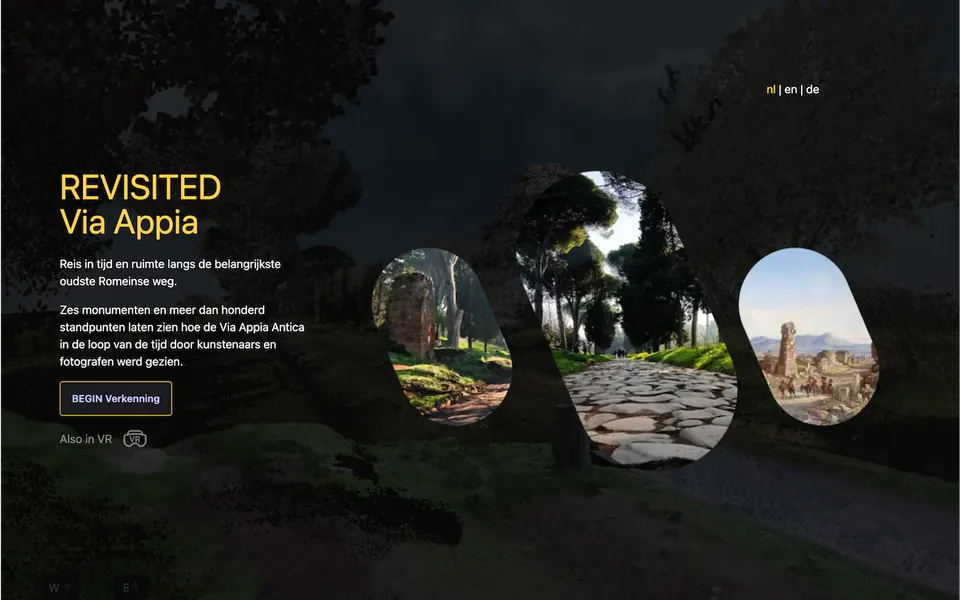
The eternal road that defined the past, present, and future. A 3D interactive point cloud visualizer for the ancient Roman Appian Way — accessible on desktop, mobile, and VR.

Presented at het Valkhof Museum in Nijmegen, this gamified experience connects years of academic and artistic research, offering a refreshing perspective on the 'Regina Viarum'. Visitors follow in the footsteps of millions who have walked there since Roman times.

Built with NuxtJS, ThreeJS, PotreeJS, and a Git-based content management system for dynamic point views and story pages.

Client
Het Valkhof Museum
Institution
Netherlands eScience Center
Methods
3D Visualization · VR · Point Cloud · WebGL
Next projectFedMix Clinical Viewer →

Medical Imaging / 2021

12 / Project

FedMix Clinical Viewer

Desktop tooling for AI-assisted clinical image review

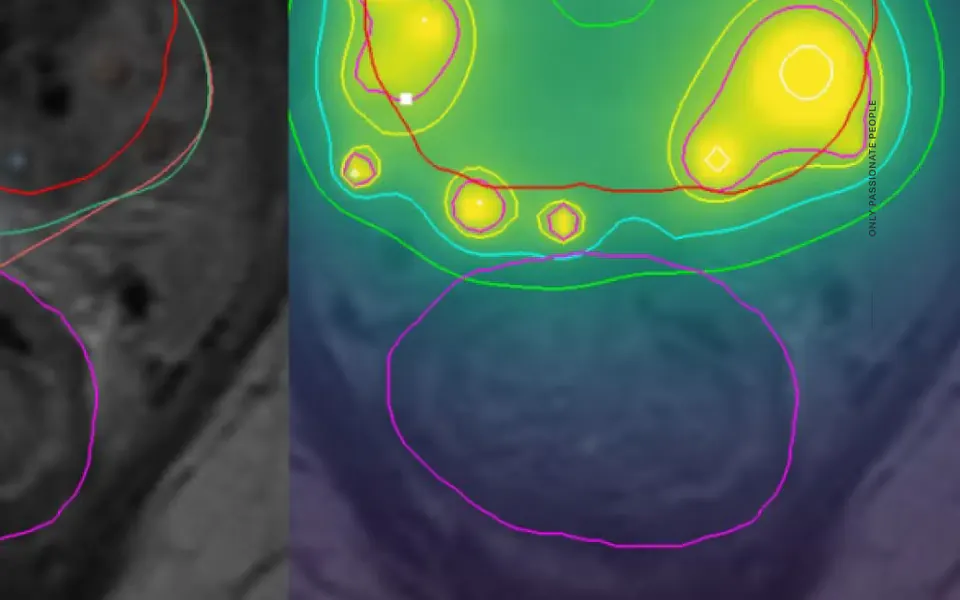
Eshmun is a standalone medical image analysis and annotation viewer built for the FEDMix research project: Fusible Evolutionary Deep Neural Network Mixture Learning. The application gives researchers a cross-platform desktop environment for loading clinical scans, inspecting model output, and drawing or reviewing anatomical regions directly on top of medical image slices.

I worked on the research-software product layer: turning clinical-imaging workflows into a robust C++/Qt/VTK application that could be built across macOS, Windows, and Linux. The interface combines grayscale scan inspection, color overlays, contour editing, and multi-panel comparison so experimental AI results can be evaluated by humans instead of staying hidden in notebooks or scripts.

The project sits at the intersection of medical imaging, reproducible research software, and human-in-the-loop AI validation.

Client
Maastricht University
Institution
Netherlands eScience Center
Methods
C++ · Qt · VTK · Medical Imaging · AI Validation
Next projectNL-RSE Website →
Community Platform / 2021

13 / Project

NL-RSE Website

A public home for Dutch Research Software Engineers

A complete structure and content redesign for the Netherlands Group of Research Software Engineers website. In collaboration with Lieke de Boer and the NL-RSE community, the site became a central hub for events, community updates, resources, and the wider identity of research software engineering in the Netherlands.

The implementation used NuxtJS and Nuxt Content with a performance-first static workflow. The design work focused on making a volunteer-led community feel credible and alive: clear navigation, an RSE feed, custom animations, reusable content patterns, and a maintainable editorial structure.

Client
NL-RSE Community
Methods
NuxtJS · Community · Web Design · Static Site
Next projectReceipt →

Climate Visualization / 2020

14 / Project

Receipt

Climate storylines for action

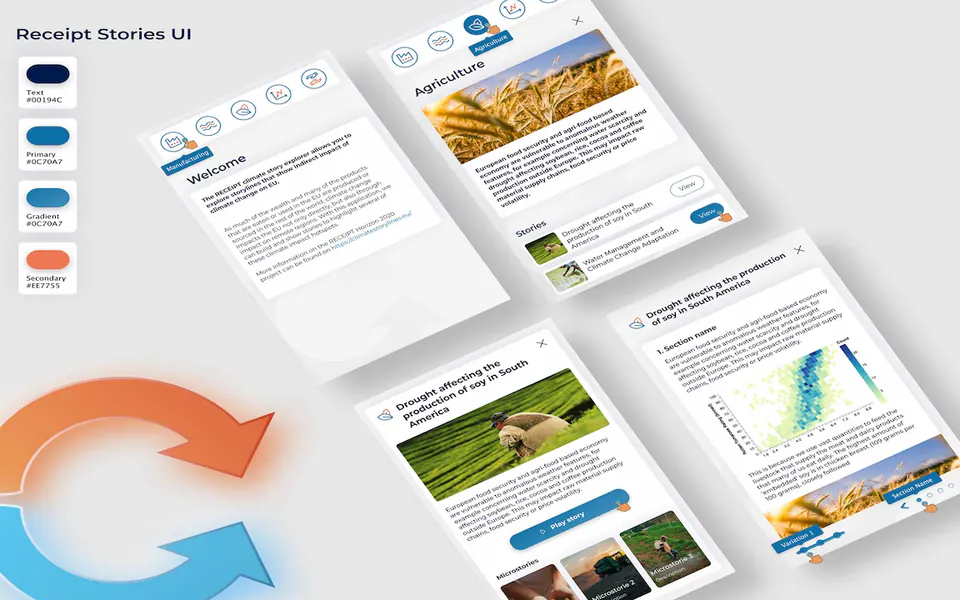
The Climate Storylines platform translated climate-change research into narrative, explorable scenes for the EU Horizon 2020 RECEIPT project. Rather than dropping users into raw datasets, the interface guided them through storylines that explain risks, impacts, and adaptation challenges in a more relatable way.

I developed the UI from scratch with a focus on scene-to-scene continuity: keeping the experience coherent as users moved between maps, 3D visualizations, explanatory panels, and supporting resources. The result was a research communication product designed to make climate impacts easier to discuss with stakeholders.

Client
Horizon 2020 EU
Institution
Netherlands eScience Center
Methods
3D Visualization · Climate Change · Web · Research
Next projectMisterGreen →

Branding · Platform / 2019

15 / Project

MisterGreen

Driving Sustainable Mobility

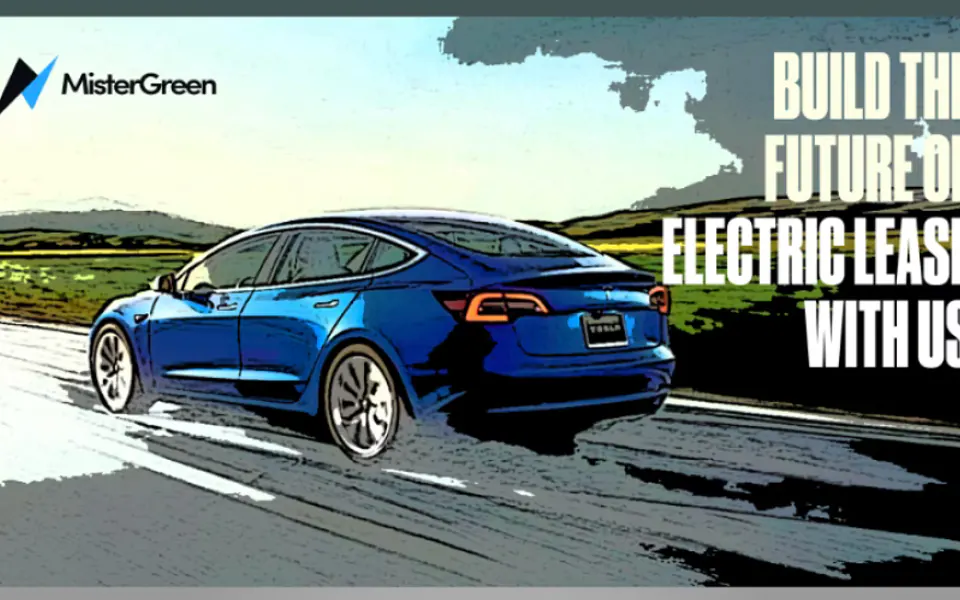
A comprehensive branding solution for the Netherlands' leading electric vehicle leasing company. As Lead Software Engineer and Designer, I crafted a distinctive logo, color scheme, and typography that resonated with the eco-conscious ethos of the brand.

The visual identity blends a modern aesthetic with a green narrative, paired with a full-stack web platform at mistergreen.nl. The branding now offers a cohesive identity across all touchpoints, promoting sustainable mobility solutions.

Client
MisterGreen Electric
Methods
Branding · Web Platform · Design System
Next projectFocusDiamond →

Productivity / 2018

16 / Project

FocusDiamond

A sharper focus timer than Pomodoro

FocusDiamond is a 55-minute focus timer and productivity method built around deeper work blocks than traditional Pomodoro sessions. The method pairs longer concentration periods with short breaks, a procrastination capture list, and a deliberately opinionated daily structure.

The app was both a product experiment and a personal productivity manifesto: use pressure carefully, protect attention, write down distractions instead of following them, and end the day with visible progress. The dead production and private source links have been removed so the portfolio entry now stands on the actual product artifact instead of sending visitors into 404s.

Client
CTW Studio
Methods
Web · Productivity · PWA · Focus
Next projectPioneering PWAs with AR →

XR · Progressive Web / 2017

17 / Project

Pioneering PWAs with AR

Augmented reality in the browser, before it felt normal

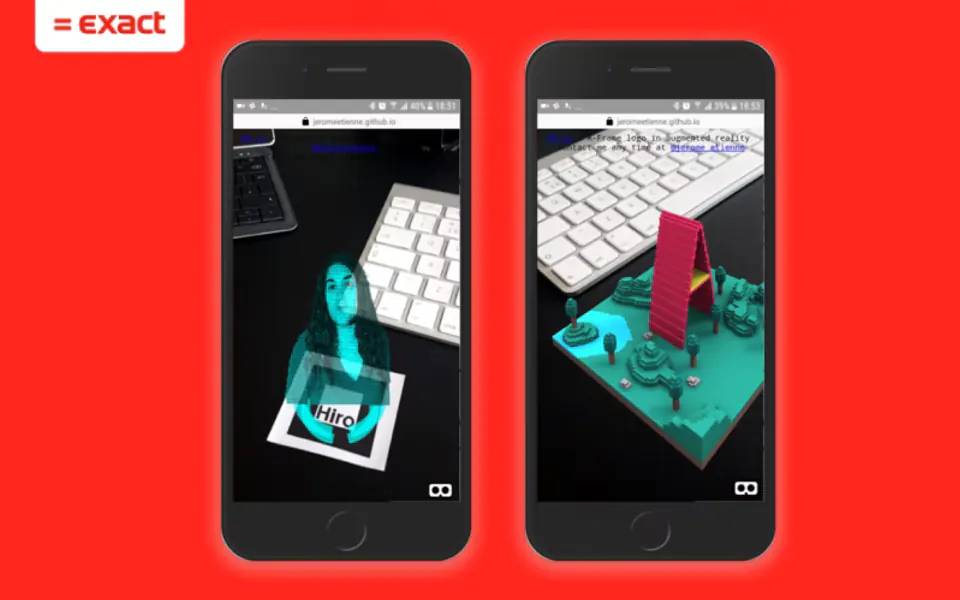
A 2017 Progressive Web App prototype exploring what the web could do when service workers, mobile installability, responsive layouts, and hardware access were still emerging ideas. The project used HTML, React, CSS, and AR.js to demonstrate one codebase running across desktop, tablet, and mobile.

The point was not only technical feasibility; it was product imagination. The prototype treated the browser as an app platform with offline access, touch-first interaction, and augmented-reality scenes that could run without a native install.

Client
Research Prototype
Methods
PWA · AR.js · ReactJS · XR · Prototype
Next projectIllustrated Portfolio →

Design · Portfolio / 2014

18 / Project

Illustrated Portfolio

The messy, illustrated archive before the studio became a system

An illustrated portfolio collecting the early body of work up to 2014: web design, native app interfaces, UX concepts, visual systems, and freelance/client experiments. It is intentionally more raw than the current studio site — a snapshot of the craft before the process became more mature and product-led.

This entry now links to the original PDF archive so the piece has a concrete artifact, not just a single image. It shows the longer arc: interface design, illustration, product thinking, and the gradual shift from visual execution toward full-stack product building.

Client
CTW Studio
Methods
Web · Design · Native App · UX Archive
Next projectLeapLearn →

Gesture Recognition / 2013

19 / Project

LeapLearn

Teaching computers new gestures in 3D

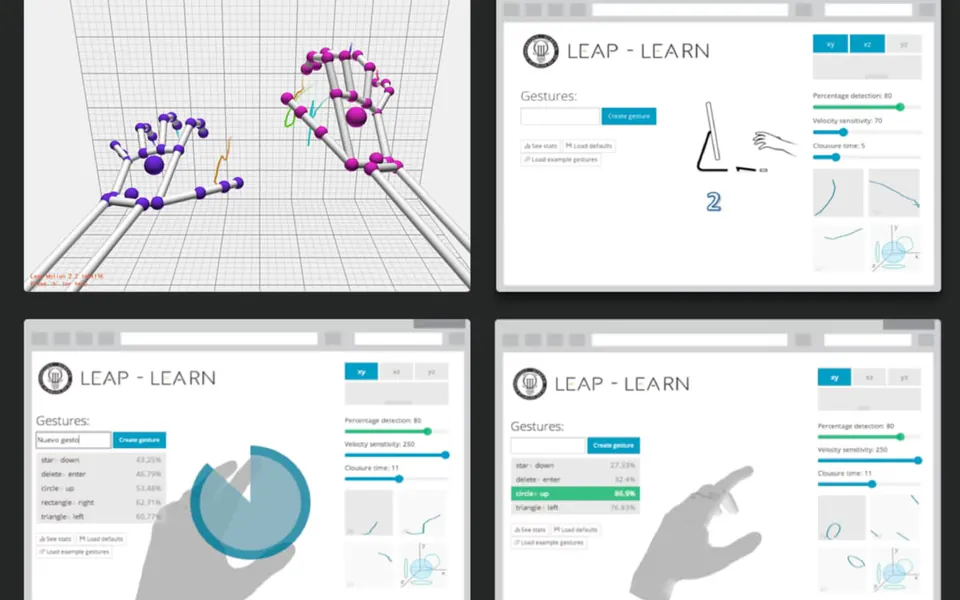
LeapLearn is a gesture-recognition application built around Leap Motion. Users can program new three-dimensional hand gestures by example, connect them to system actions, and customize interaction patterns without writing low-level recognition code.

The project explored End User Development and Programming by Example before natural interaction became mainstream. A modified $1 recognition algorithm powered the gesture interpretation, while the interface focused on making 3D input understandable enough for people to train and reuse their own gestures.

Client
Research Project
Methods
3D Visualization · Three.js · Leap Motion · Gesture · EUD
Next projectData Storytelling →